

Toyota Seeks to Reduce Carbon Emissions by Encouraging Plug-in Hybrid Owners to Plug in
Toyota has discovered a way to reduce carbon emissions that doesn’t involve altering its vehicles but instead focuses on changing driver behavior. It targets owners of plug-in hybrid models (PHEVs), asking them to charge their vehicles more frequently, thereby enabling them to drive more miles using emission-free EV mode. Valley Hi Toyota shares more details.
Plug-in hybrid vehicles (PHEV), as seen on the RAV4 and Prius model lines, are built on a solid idea. With 30 to 50 miles of EV-only range, these cars can handle many drivers’ daily commutes or errands using only the electricity from their batteries, just like a pure battery EV.
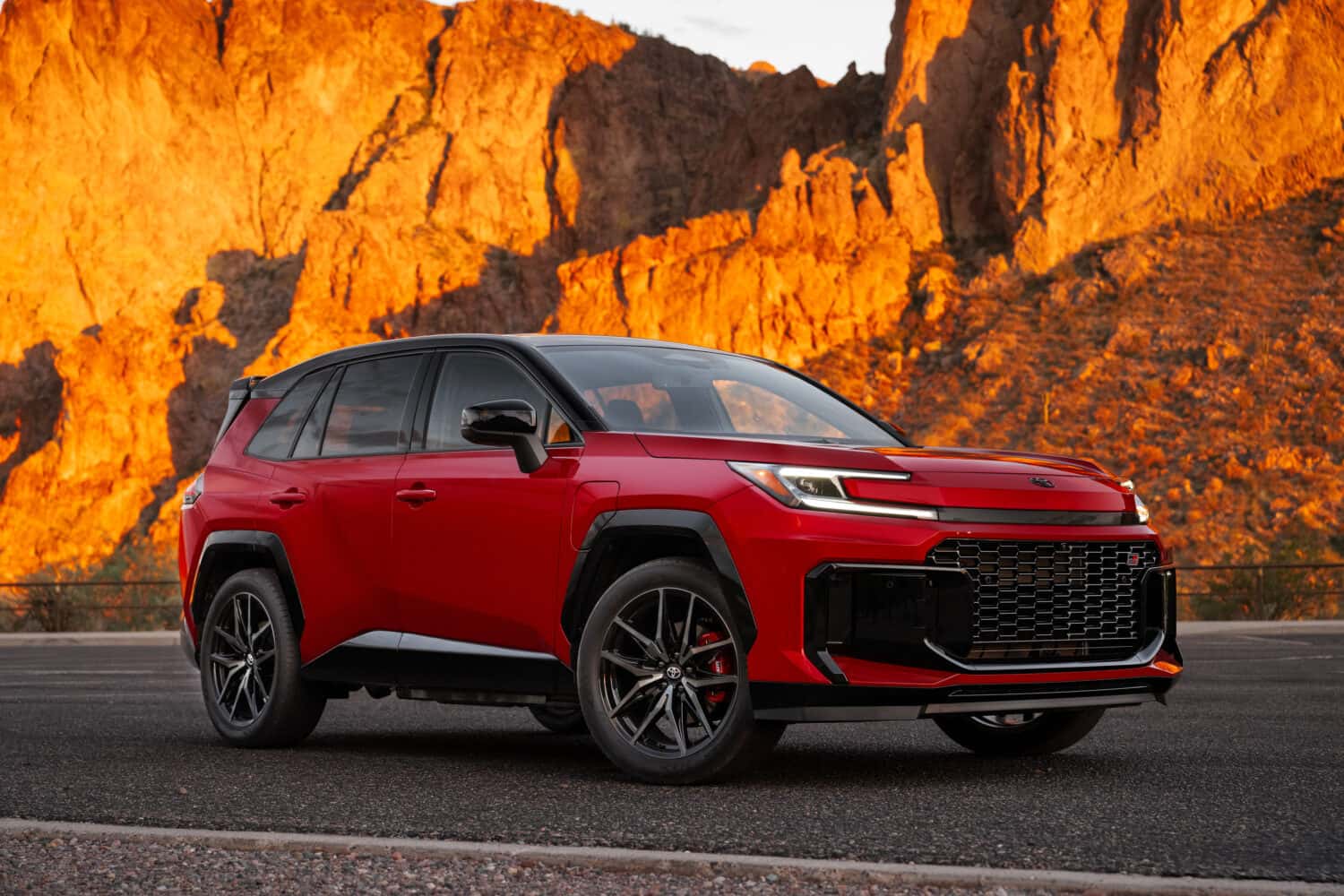
On longer trips, EV owners must plan their routes around recharging and hope the charging stations are not backed up or inoperable. PHEV owners, on the other hand, can operate their vehicles like conventional hybrids once they have surpassed the EV range (or possibly reserve the EV range for city driving). This means refueling their vehicle like a traditional internal combustion engine-powered vehicle, but with the efficiency of a hybrid.
Underutilization
The issue, as the Toyota Research Institute found, is that too many PHEV owners aren’t charging their vehicles overnight and are just driving them like traditional hybrids. Therefore, they continue to produce carbon emissions in their daily routines when they could generate none.
This is unfortunate because charging a PHEV is simple and doesn’t even require a specialized home charger. Since the batteries are significantly smaller than those of pure EVs, they don’t need a dedicated home charger and thus can be charged overnight with a standard wall socket. The institute also found that routine charging boosts PHEV owners’ satisfaction with their vehicles. In response, the Toyota Research Institute created a prototype app that helps remind and motivate PHEV owners to charge their vehicles.
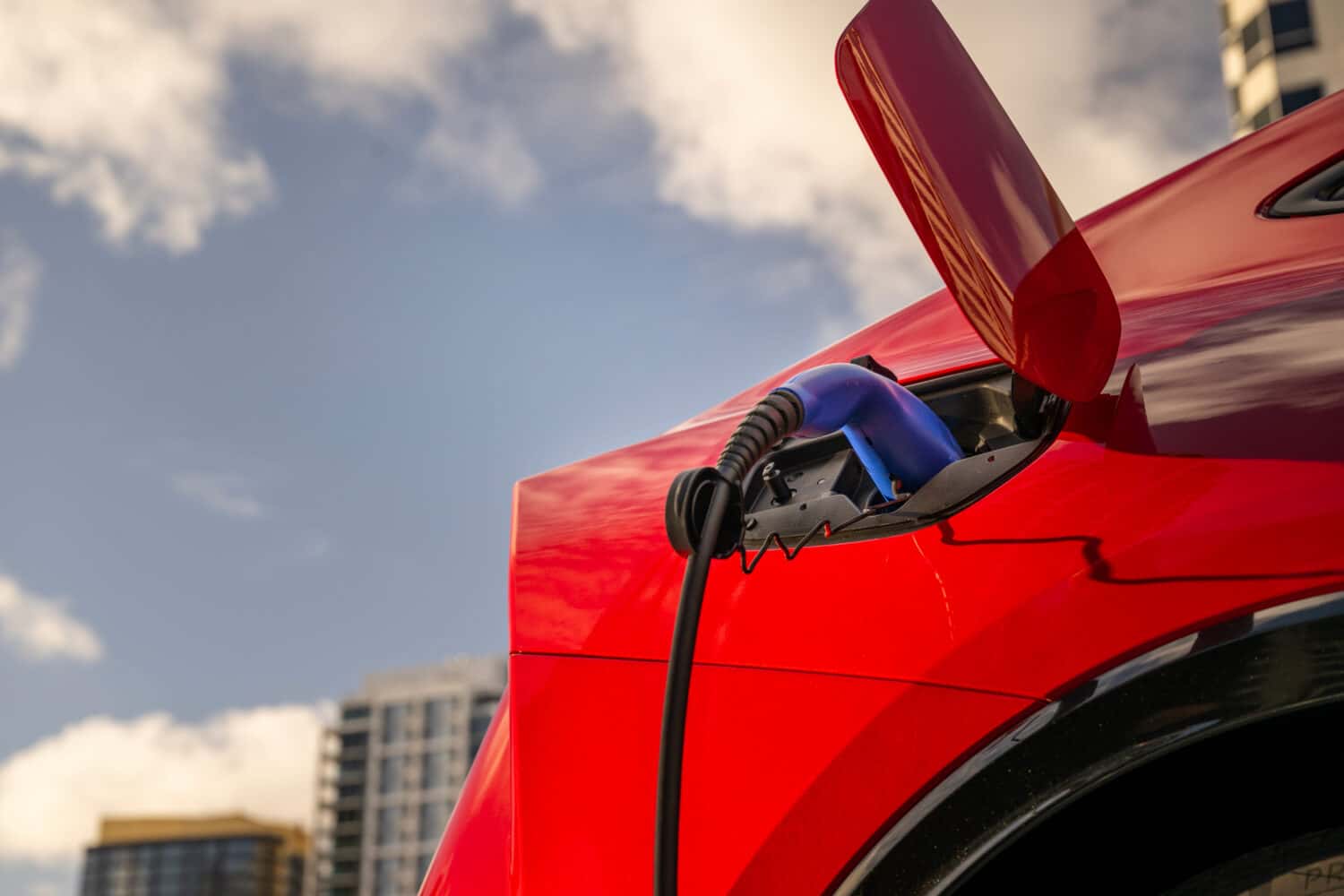
“Technology is not the only way to reduce emissions — people’s choices matter too,” said Dr. Gill Pratt, Chief Scientist for Toyota Motor Corporation and CEO, Toyota Research Institute. “This research and development shows how science-based behavioral interventions can both help us reduce carbon emissions as much as possible, as soon as possible, and increase customer satisfaction.”
The ChargeMinder Research App
The ChargeMinder app applies behavioral science to EV charging by:
- Providing timely reminders is up to 50% more effective than generic prompts, according to laboratory studies.
- Offering positive reinforcement through streaks, summaries, and encouraging messages.
- Creating engaging educational quizzes that use memory science to improve learning.
The ChargeMinder platform can also securely and anonymously gather and display user data from various sources, including vehicle telematics and charging locations. Using this data, we can deliver personalized intervention experiences and perform advanced data analytics while maintaining user privacy.
In prototype testing, the institute found that US PHEV drivers with vehicles from multiple brands increased their charging by 10%, and their satisfaction with their vehicles by 16 percentage points, reaching 100%.
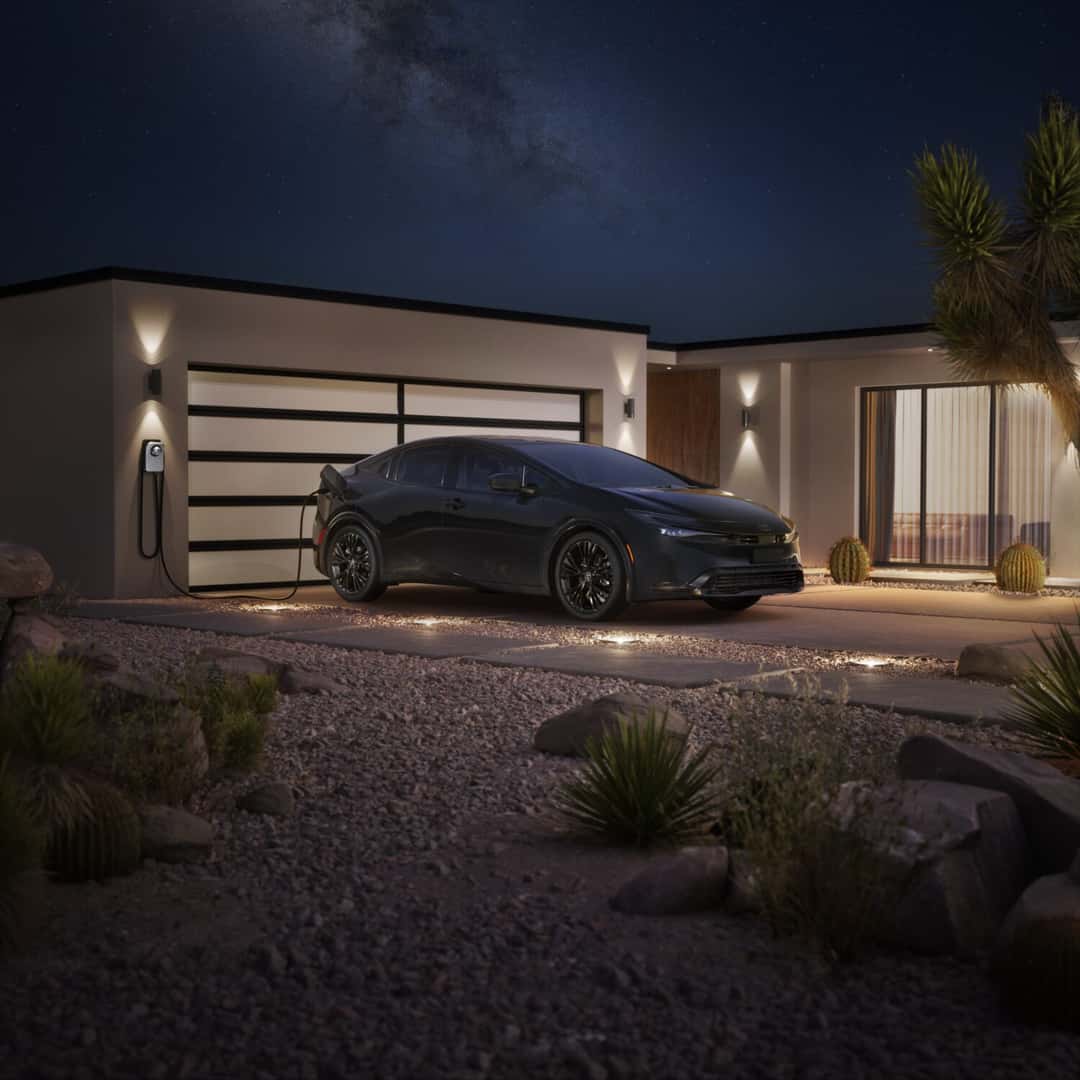
The ChargeMinder app has not yet been released publicly because the institute is exploring how additional driver interventions can lead to positive outcomes, especially in increasing the decarbonization of personal transportation.
Due to their practicality and emission-reducing effectiveness, Toyota is likely to have more plug-in hybrid models in development. Someday, the ChargeMinder coding might become a key feature of the Toyota owner smartphone app for PHEV owners. Until then, Valley Hi Toyota encourages you to explore how the plug-in hybrid versions of the RAV4 or Prius can fit into your life, allowing you to drive emission-free daily without worrying about charging during road trips. Just remember to charge the vehicle regularly.
0 comment(s) so far on Toyota Seeks to Reduce Carbon Emissions by Encouraging Plug-in Hybrid Owners to Plug in