

Toyota Tire Maintenance Guide for High Desert Drivers
Toyota Tire Maintenance Guide for High Desert Drivers
The signs your tires are wearing out, how often to rotate them, and why Victorville’s climate and roads age tires faster than most places.
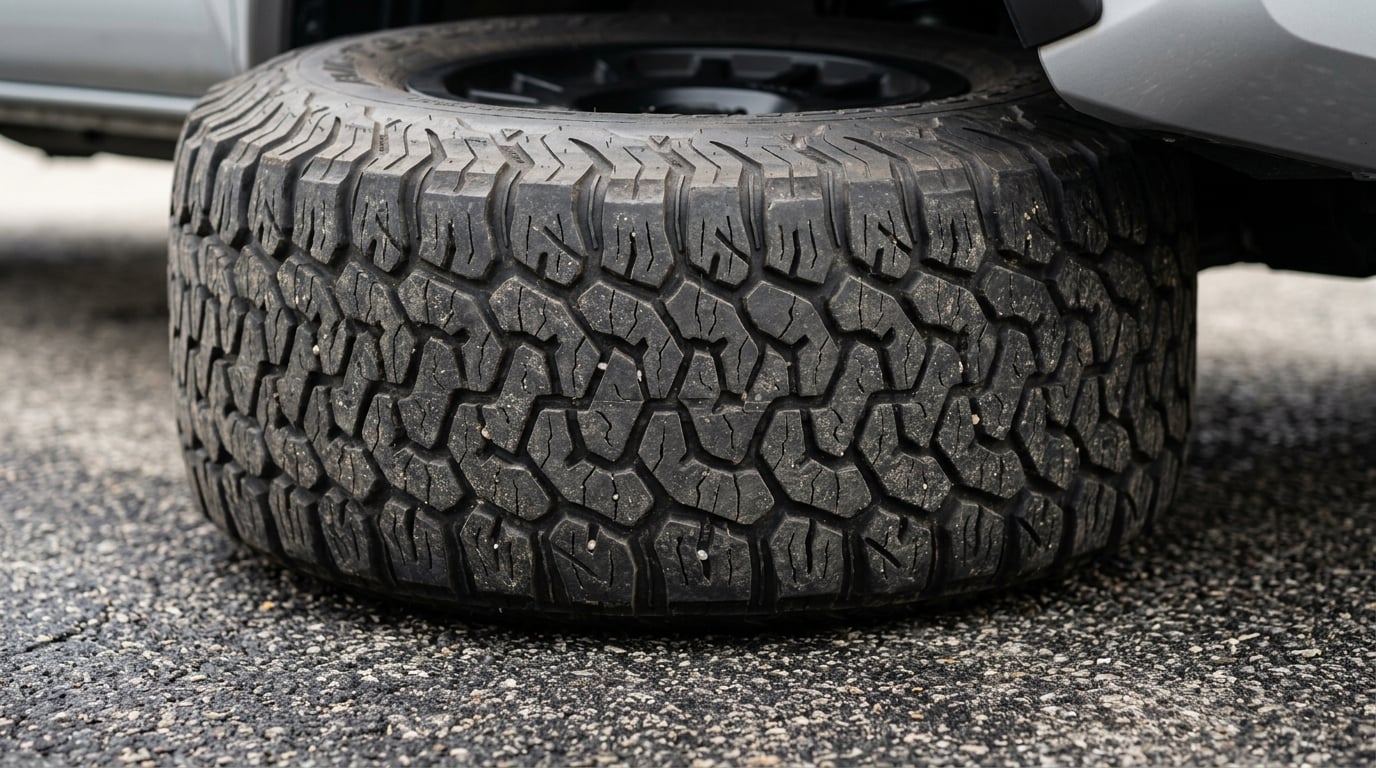
Tires are the one part of your Toyota that touches the road, and they quietly affect braking distance, handling, and fuel economy the whole time you own the vehicle. Most drivers don’t think about them until something feels off. Here’s what to actually watch for, and why High Desert driving tends to wear tires out faster than it would somewhere milder.
Signs It’s Time for New Tires
- Tread worn down to the wear bars
- Cracking in the sidewall rubber
- Vibration at highway speed
- Tire is 6+ years old
- Visible bulges or bubbles
- Frequent low-pressure warnings
Any one of these on its own is worth having checked. A few together, especially tread wear combined with age, usually means it’s time to replace rather than patch.
The Penny Test: A Quick Way to Check Tread Depth
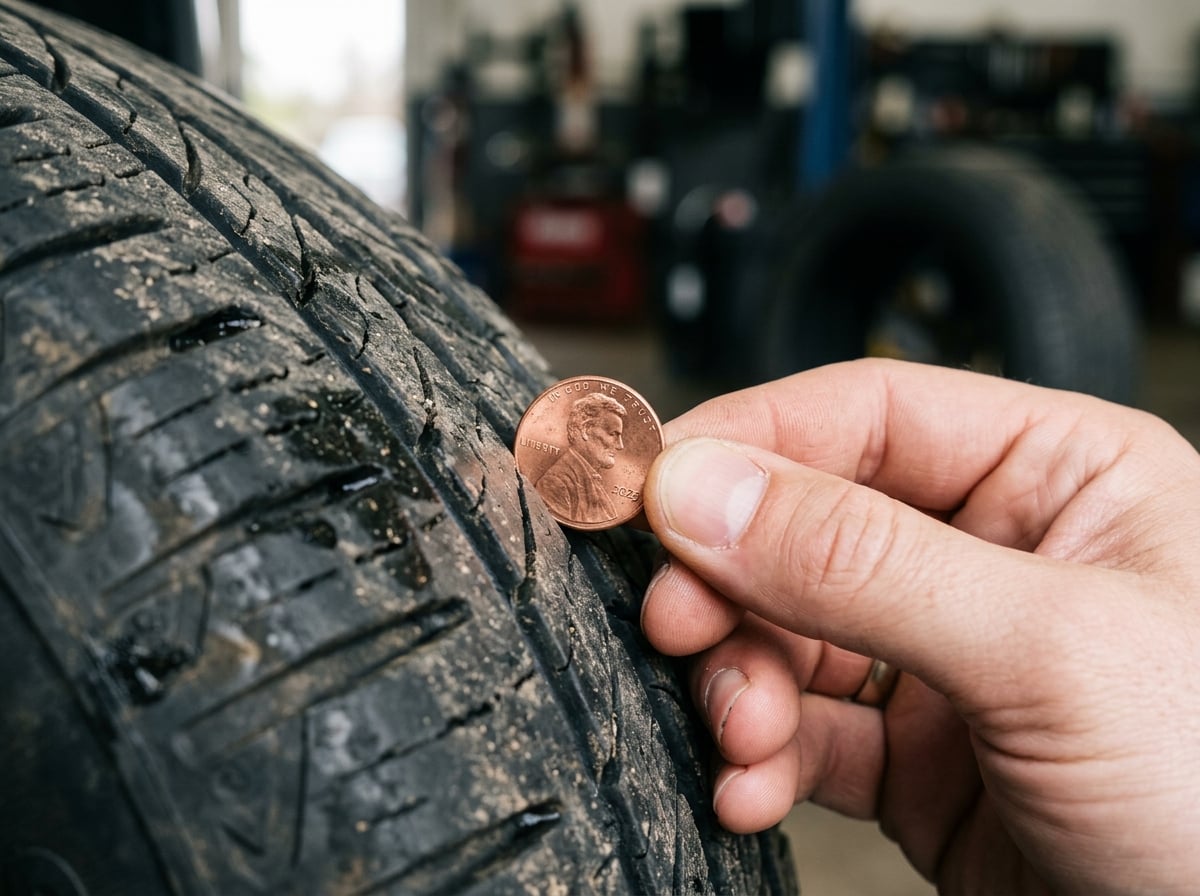
Place a penny into the tread groove with Lincoln’s head pointing down. If you can see all of Lincoln’s head, your tread depth is at or below 2/32 of an inch, the point most states, including California, consider legally worn out. If part of his head is covered, you’ve still got some life left.
Check this at a few spots across each tire, not just one, since tires can wear unevenly if the alignment is off or the tire pressure has been inconsistent.
How Often to Rotate Your Tires
Most Toyota models call for a tire rotation every 5,000 to 7,500 miles, roughly every other oil change. Rotating tires evens out wear between the front and rear, since front tires on most vehicles wear faster from steering and braking forces. Skipping rotations is one of the more common reasons a set of tires wears unevenly and needs replacing earlier than it should.
Your Toyota’s maintenance schedule booklet has the exact interval for your model, since it can vary slightly between front-wheel drive, all-wheel drive, and hybrid models.
Why High Desert Conditions Wear Tires Faster
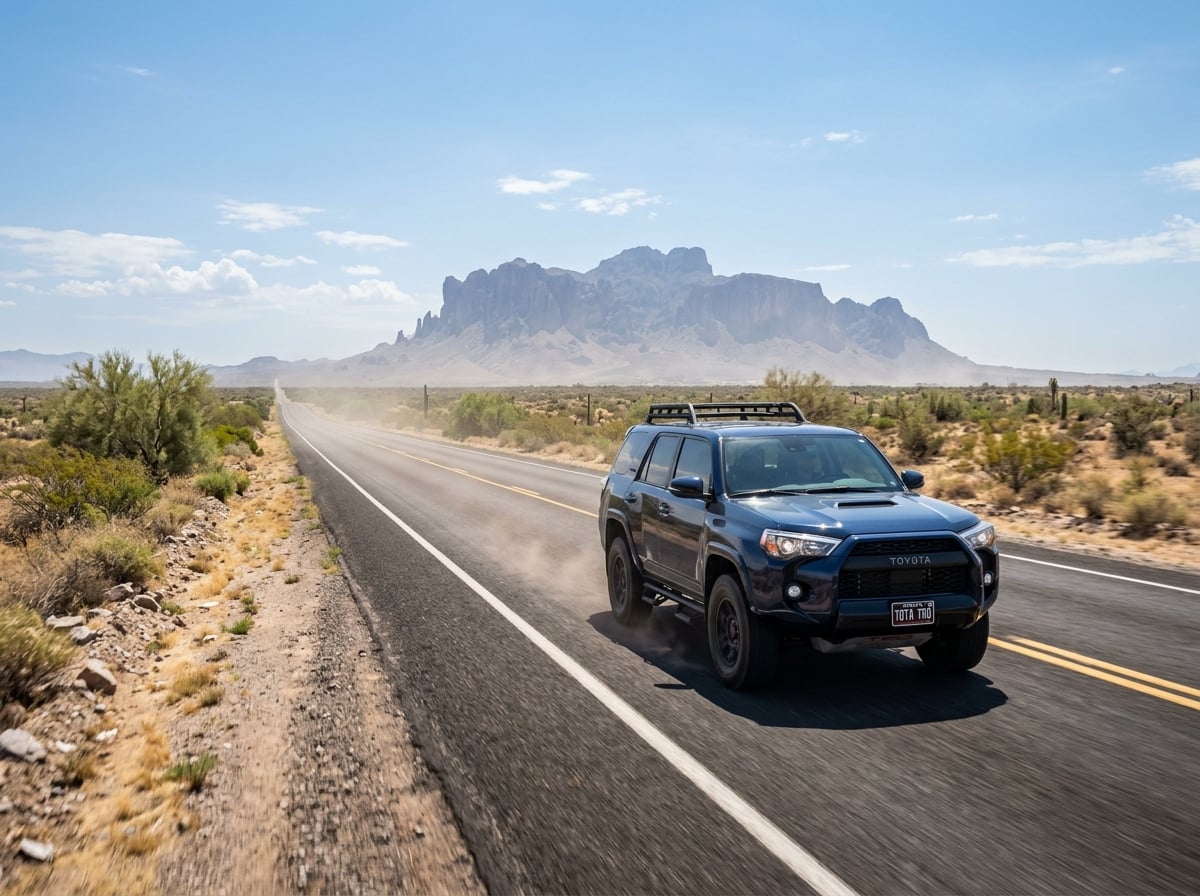
Victorville and the surrounding High Desert aren’t gentle on tires. Summer pavement temperatures regularly climb well above what the surrounding air temperature would suggest, and heat is one of the fastest ways to break down tire rubber over time. Long, straight highway stretches on I-15 also mean tires spend more time at sustained speed than they would on a typical stop-and-go commute.
On top of that, intense sun exposure dries out sidewall rubber faster, which is part of why cracking tends to show up here before a tire’s tread is even fully worn.
Why Installation Matters as Much as the Tire Itself
The right tire for your Toyota or Scion is only part of the equation. Correct fitment, load rating, and speed rating all matter, and a proper installation includes checking your alignment and resetting your tire pressure monitoring system, not just mounting and balancing. Getting it done by factory-trained technicians with equipment calibrated for your vehicle helps the new tires actually perform and wear the way they’re supposed to.
Tire Maintenance FAQ
How long do tires usually last?
Most tires last between 3 and 6 years or 25,000 to 50,000 miles, depending on the tire, driving conditions, and how consistently they’re rotated and properly inflated. High Desert heat and highway mileage tend to push wear toward the shorter end of that range.
Can I replace just one or two tires instead of all four?
Sometimes, but it depends on how much tread difference there is between the new and existing tires and whether your vehicle has all-wheel drive, which is more sensitive to mismatched tire diameters. A service advisor can tell you whether a partial replacement makes sense for your specific tires.
Does tire pressure affect how fast tires wear out?
Yes. Underinflated tires wear faster on the outer edges and generate more heat, while overinflated tires wear faster in the center. Checking pressure monthly, especially as outdoor temperatures swing between summer and winter, helps tires wear evenly and last longer.
Does Valley Hi Toyota run tire specials?
We periodically run tire specials for Toyota and Scion owners throughout the year. Ask your service advisor about current offers when you schedule your appointment.
Not Sure Where Your Tires Stand?
Our service department can check your tread depth, alignment, and tire pressure, and let you know honestly whether you need new tires or just a rotation.
Valley Hi Toyota · 14612 Valley Center Dr, Victorville, CA 92395
0 comment(s) so far on Toyota Tire Maintenance Guide for High Desert Drivers