

2026 Toyota Tundra TRD Pro
When Toyota unveiled the fourth-generation Tacoma in 2024, there were countless things to discuss, including its tough exterior, available Hybrid powertrains, the large touchscreen, and so on. But perhaps the most “out there” feature, and certainly the most photographed and talked about here at Valley Hi Toyota, was the IsoDynamic front seats. These seats controlled motion through a series of adjustable shock absorbers with individual pressure gauges, all of which were plainly visible on the seatbacks. They made for great photographs. They were also a Tacoma TRD Pro exclusive, but for 2026, they have been added to the Tundra TRD Pro.
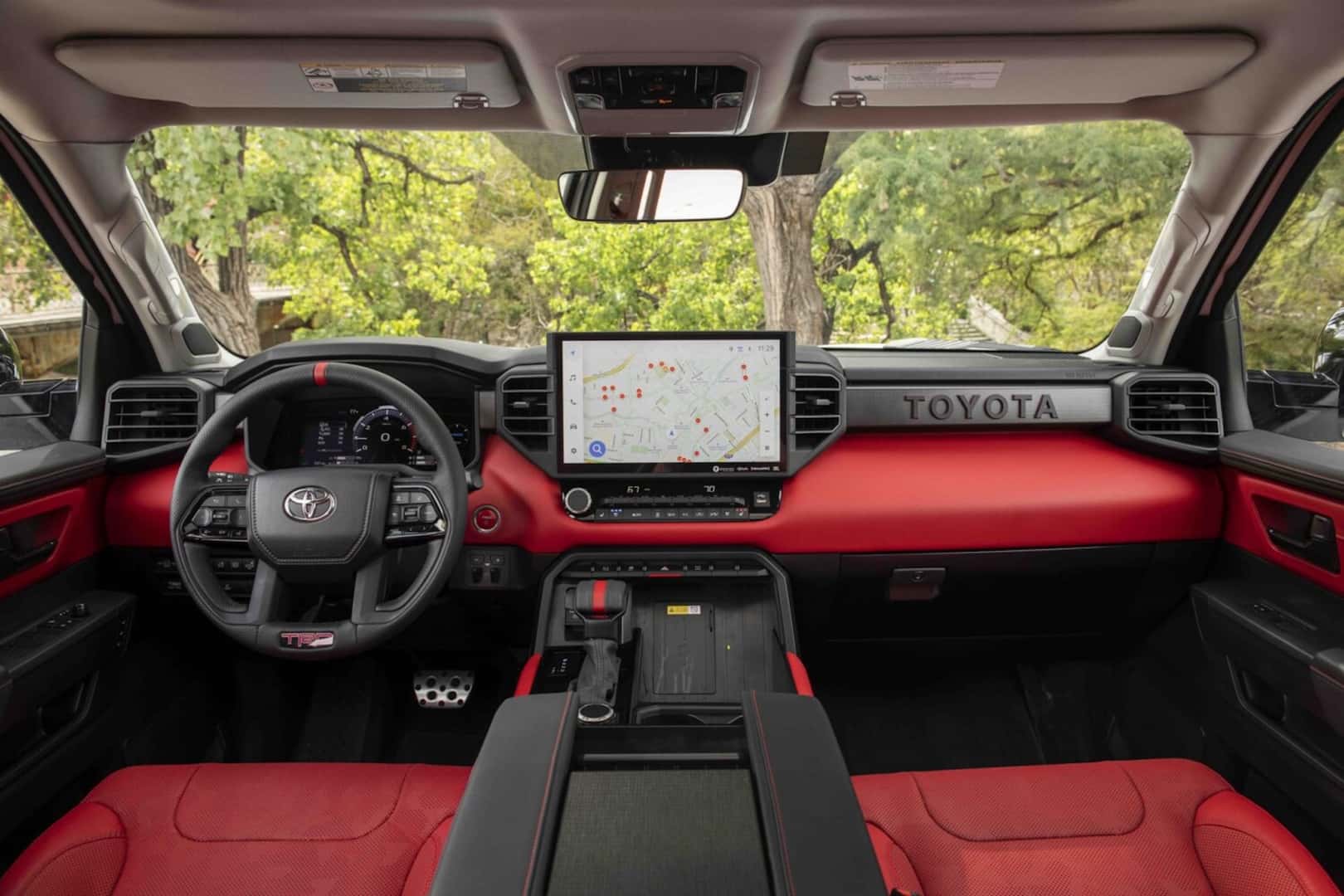
Off-roading at high speeds can be very rough. The TRD Pro suspension with its Fox Racing dampers and other components helps, but they’re made more to protect the truck than to ensure comfort for the driver. The jolts are part of the experience, but they can take a toll on the body over time, especially for those whose birth years start with “19__.”
The IsoDynamic seats enable simultaneous vertical and lateral adjustments. The left shock absorber handles vertical movement within a 1.2-inch range, while the right controls side-to-side shifts within 0.8 inches. The seat responds immediately to your motions. For example, turning the wheel right causes your hips to slide left as the upper shoulder bolsters tighten. This results in your spine tilting your head slightly to the right, mimicking the lean into a turn.
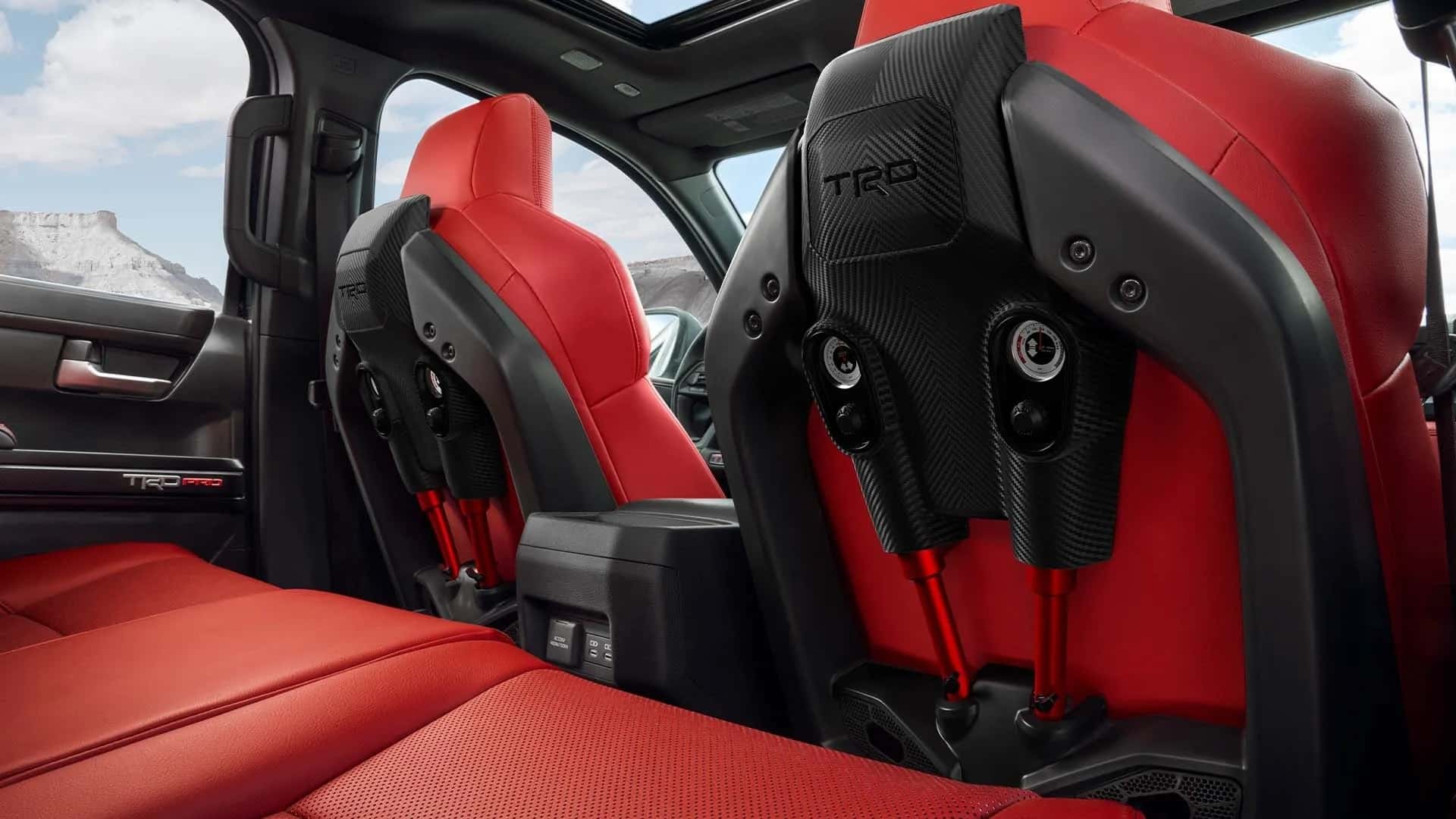
The seats are adjustable. For each of the two shocks on each seat, you will find a gauge and a Schrader valve to which you can attach a conventional air pump so that you can adjust the seat according to your size and weight. Toyota even has an app for your phone with setting suggestions based on your body stats. One surprising stat is that despite all this hardware, the seats are actually 30% lighter and 30% stronger than conventional seats, and they do not interfere with the heat and ventilation functions of the seat.
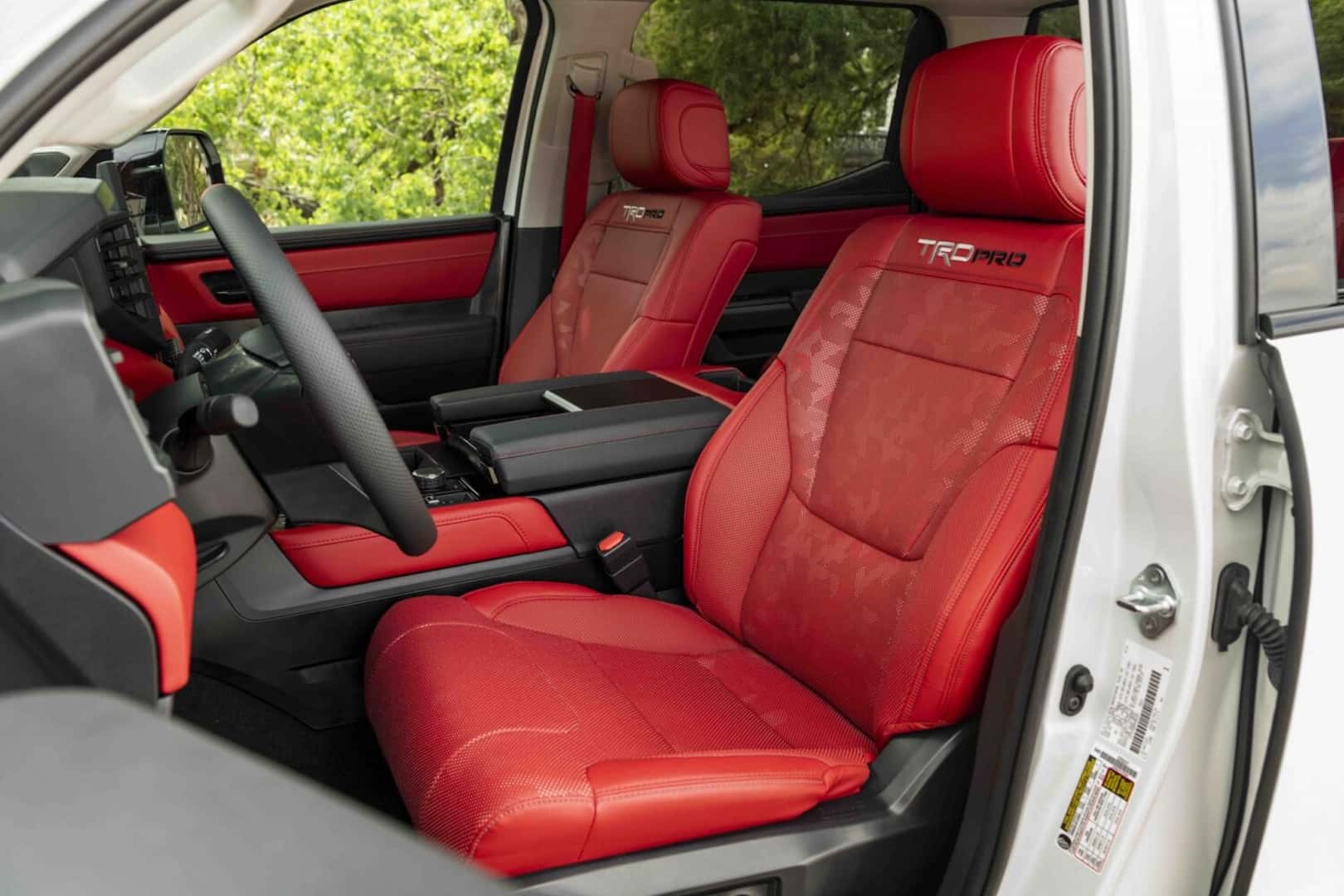
The main downside of these seats is that they add a few inches to the seatbacks, which reduces legroom for rear passengers and makes their knees hit harder points. This issue is mostly reduced when used in the Tundra. Yes, they make the front seatback of the Tundra as thick as in the Tacoma, but the Tundra offers nearly eight more inches of rear legroom, so thicker front seats are less of a problem.
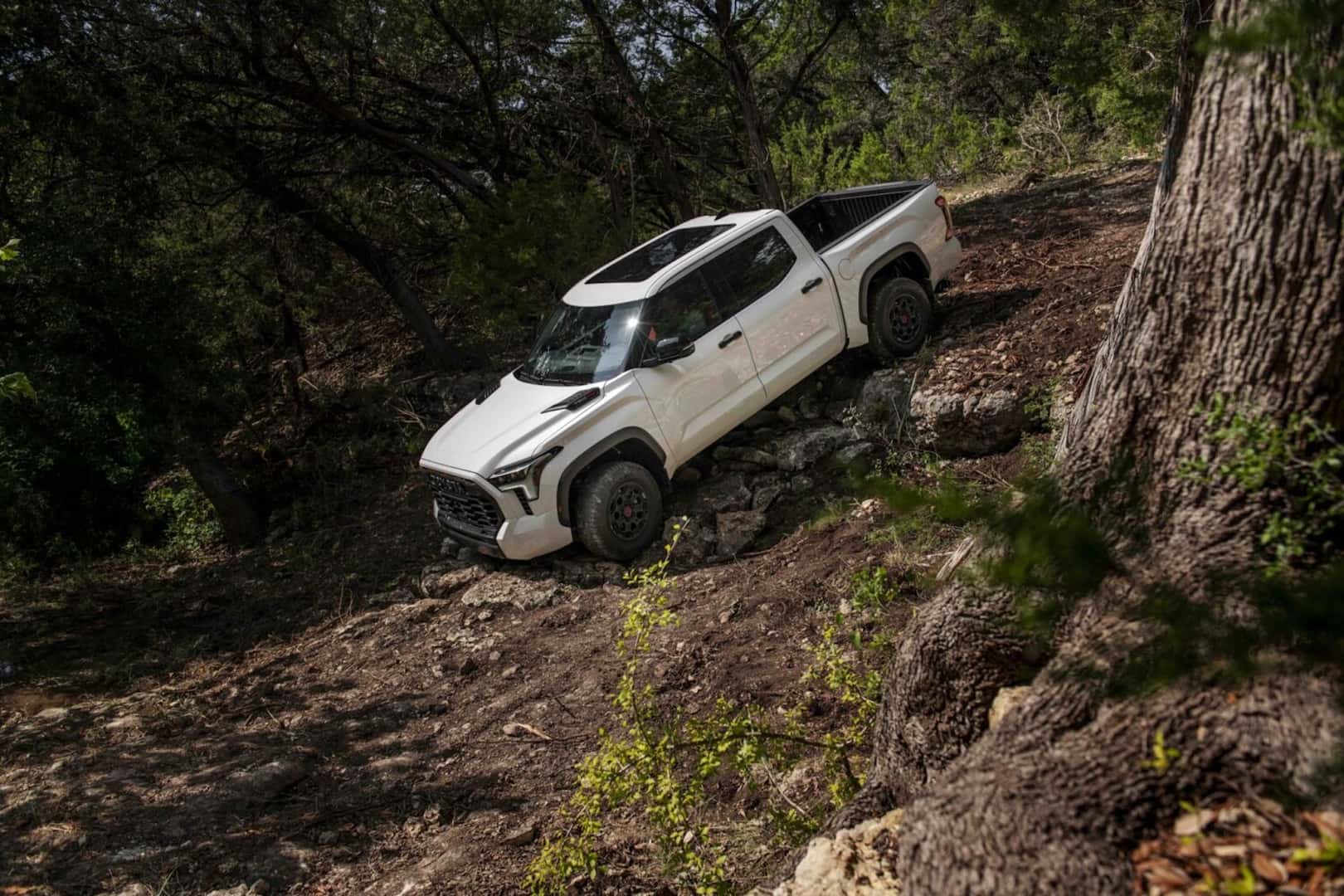
The bottom line is that you will now be able to take the rough terrain in the Tundra TRD Pro about 10 to 15 mph faster without feeling like you’ve just had a round with Mike Tyson. Look for the new IsoDynamic seats in the Tundra TRD Pro at Valley Hi Toyota.
0 comment(s) so far on 2026 Toyota Tundra TRD Pro