

Highlander vs. Grand Highlander
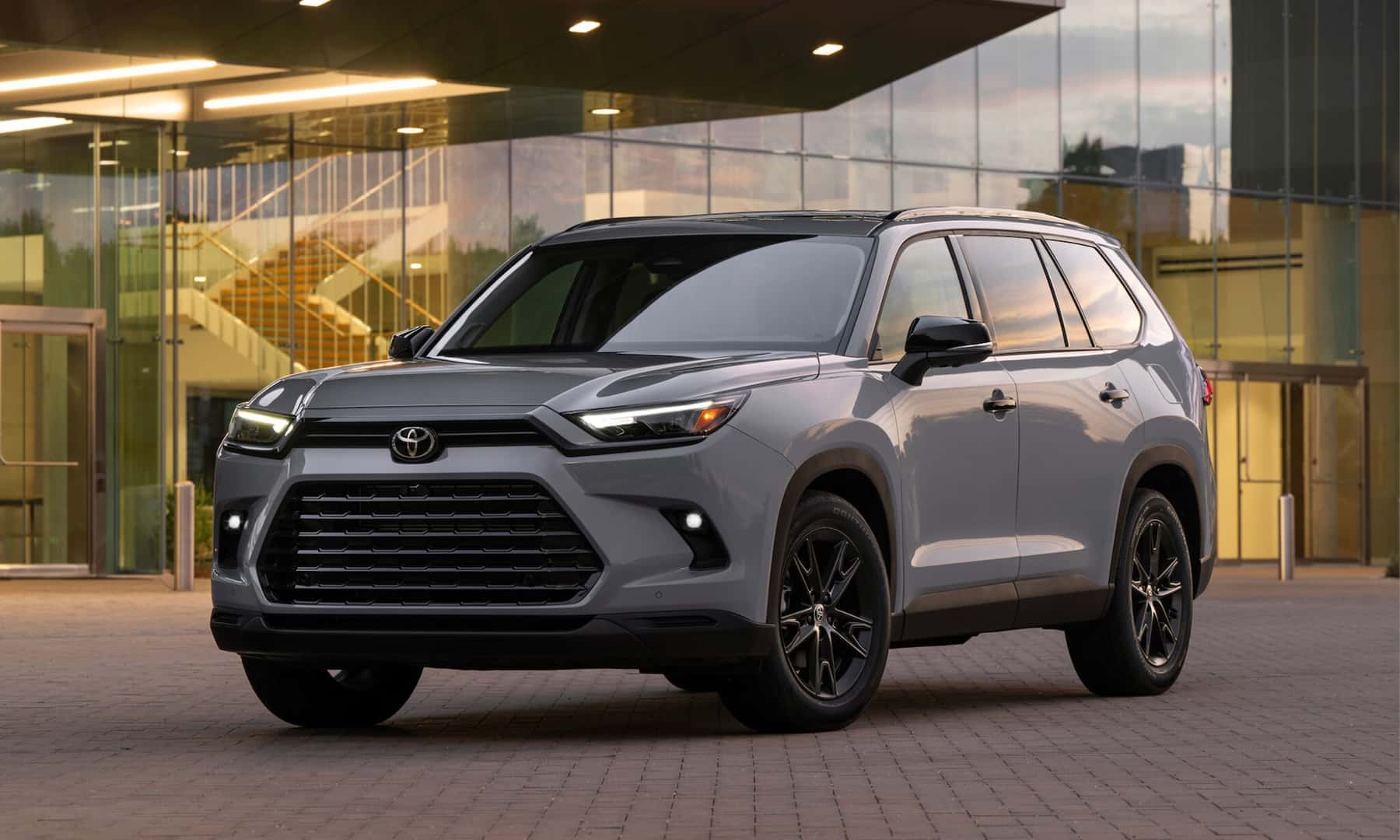
The name Grand Highlander indicates it’s a Highlander with a longer wheelbase and longer cabin. It is indeed bigger, but it’s a different model with a unique design inside and out. However, both the Highlander and the Grand Highlander are 3-row crossover SUVs and share similar drivetrains, so shoppers might want a quick look at the differences between the two models. Valley Hi Toyota is here to help.
When Size Matters
Let’s cover the most obvious difference between the two models: the Grand Highlander is larger than the Highlander in almost every measurement. It is about half a foot longer (201.4 vs. 194.9 inches), with a nearly 4-inch-longer wheelbase (116.1 vs. 112.2 inches). It is also a couple of inches wider (78.3 vs. 76.0 inches, not including mirrors) and two inches taller when comparing AWD models (70.1 vs. 68.1 inches). The increased width and height improve shoulder room and headroom, respectively, but by less than an inch in each case.
| Measurement | Highlander | Grand Highlander |
|---|---|---|
| Length | 194.9 in | 201.4 in |
| Wheelbase | 112.2 in | 116.1 in |
| Width (without mirrors) | 76.0 in | 78.3 in |
| Height (AWD) | 68.1 in | 70.1 in |
| Third-row legroom | 28.0 in | 33.5 in |
| Cargo behind third row | 8.6 cu ft | 14.5 cu ft |
| Cargo behind second row | 48.4 cu ft | 57.9 cu ft |
| Maximum cargo | 84.3 cu ft | 97.5 cu ft |
The largest difference lies with the third-row seat. In the Highlander, the rear legroom for the third seat is 28.0 inches, which makes it appropriate for small kids, or very annoying adults you don’t want to ride with you again. It is an entirely different story in the Grand Highlander, which has 33.5 inches of rear legroom, which is about what you find in the rear seat of a compact car, and thus can fit all but your tallest adults.
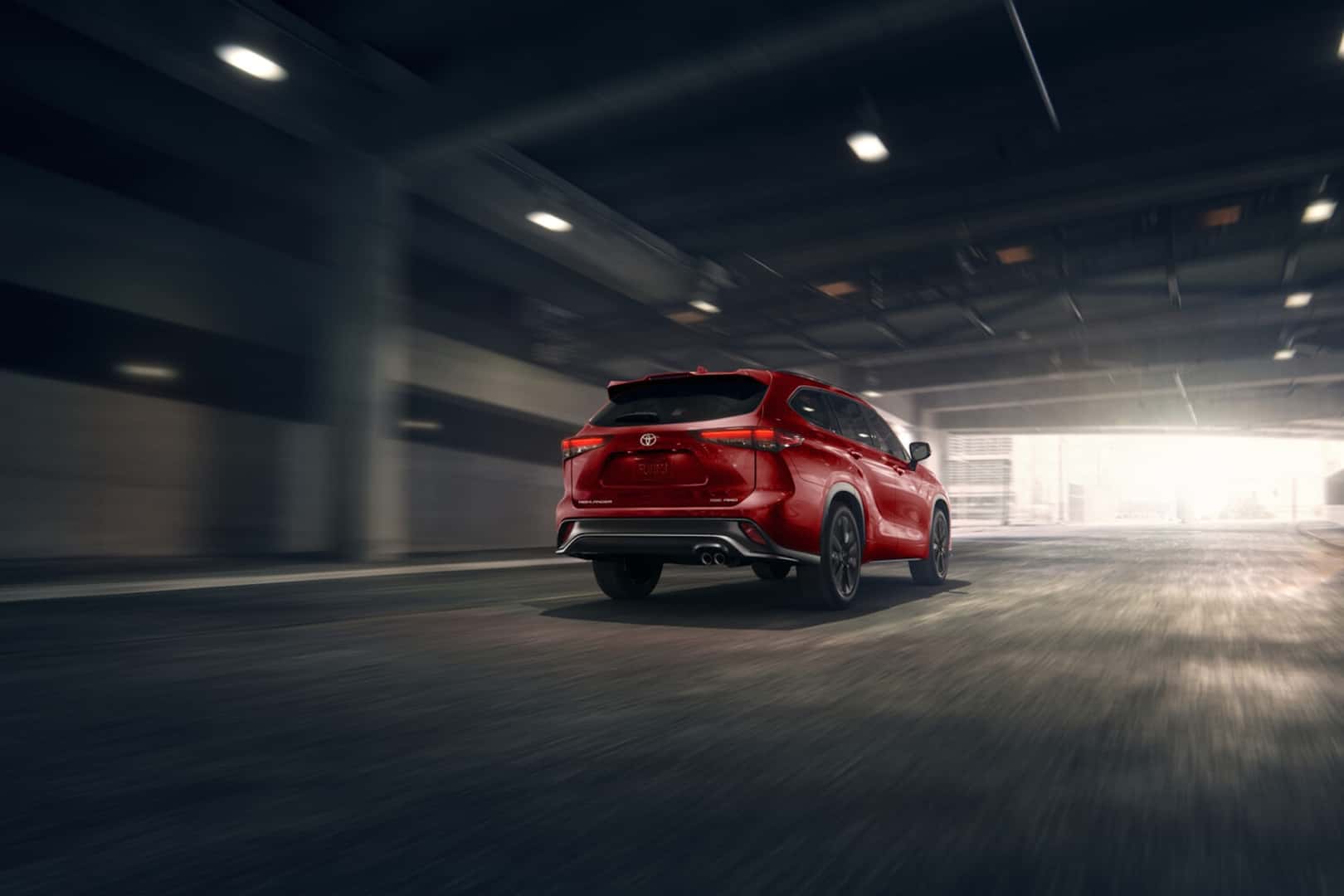
The extra legroom does not come at the expense of cargo space either, as the Grand Highlander provides 14.5 cubic feet behind the third row compared to 8.6 cubic feet for the Highlander. When the third row is not needed and folded down, the Grand Highlander continues to offer more space, though the difference is less dramatic at 57.9 vs. 48.4 cubic feet. In full cargo mode, the Grand Highlander can hold 97.5 cubic feet of things compared to 84.3 for the Highlander, and the cargo area is about 10 inches longer.
How the Starting Trims Compare
With the Grand Highlander having much more space than the Highlander, it helps to know how each lineup starts out. One primary difference is that the 2026 Highlander has standard all-wheel drive (AWD), whereas the base Grand Highlander has front-wheel drive (FWD) with AWD as an option. Another is that the Highlander starts at the XLE trim level, while the Grand Highlander begins one level lower as an LE. So, the Highlander has a few additional standard features, such as wireless phone charging, Softex seating surfaces, a moonroof, auto-dimming rearview mirrors, and more.
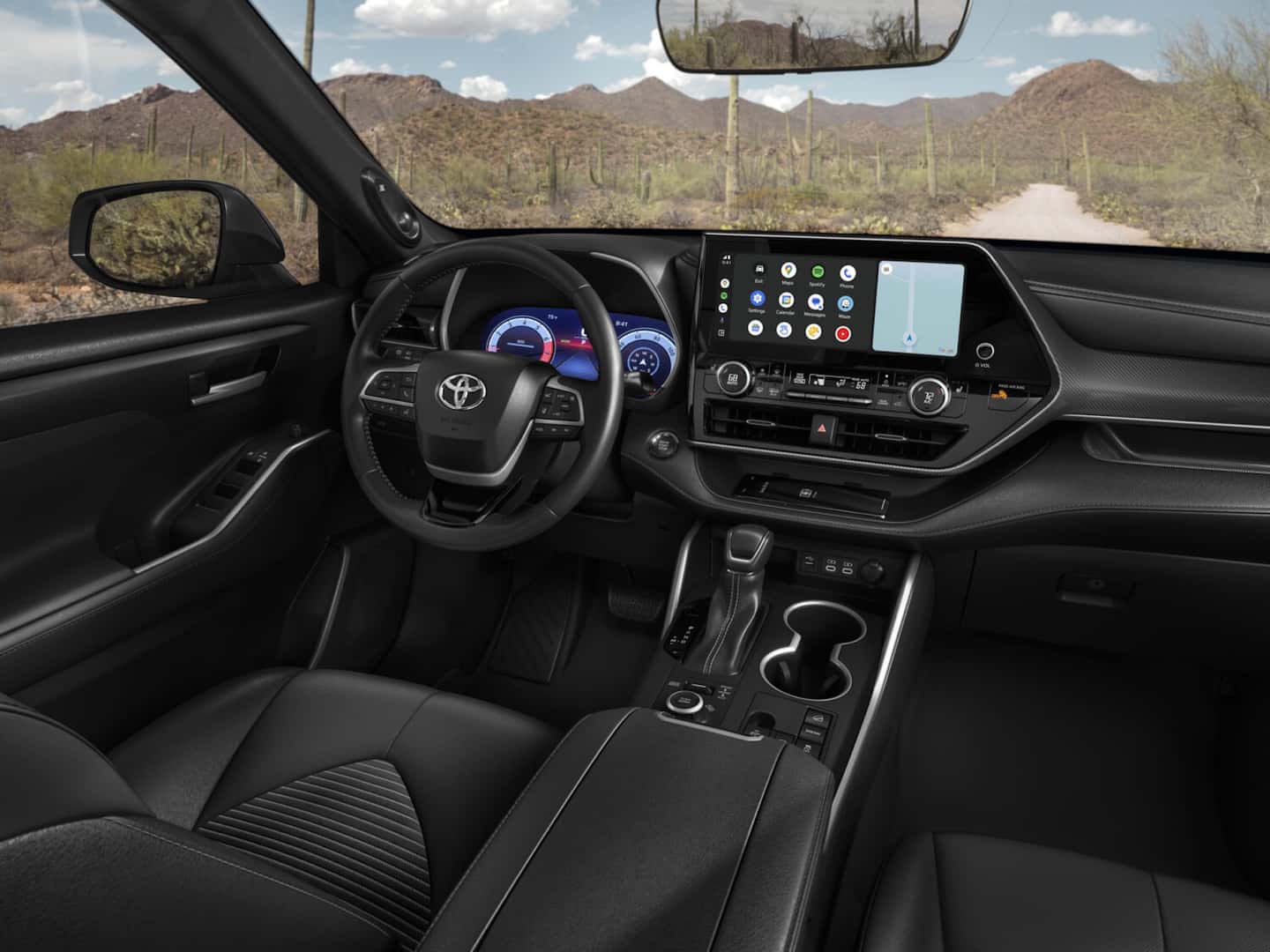
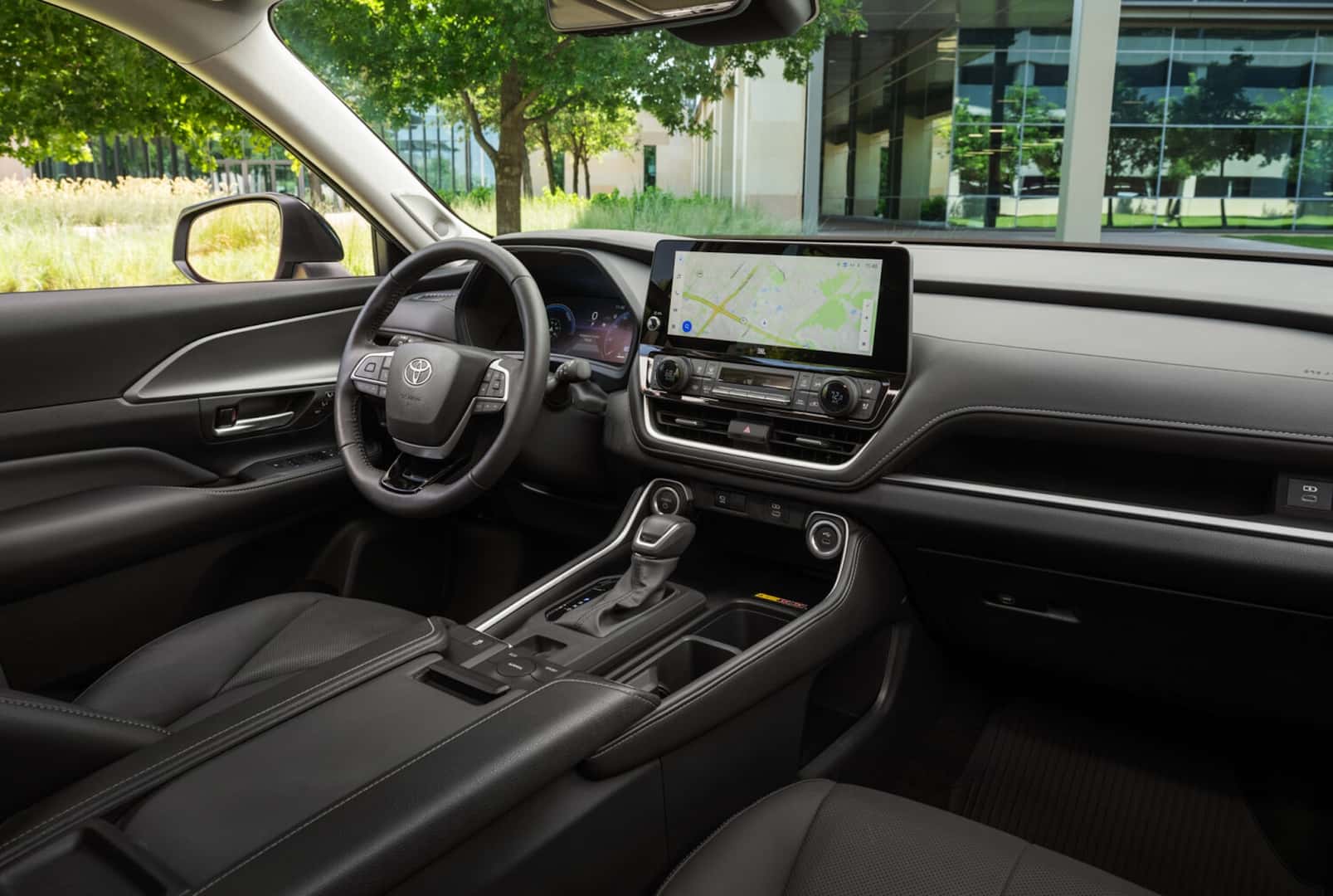
It isn’t a perfect feature-matching comparison, but for a closer match, compare a Highlander XLE with a Grand Highlander XLE AWD. Worth noting, however, is that the Grand Highlander comes standard with a 12.3-inch center touchscreen, while the Highlander has an 8-inch screen until the Limited trim level.
Similar Drivetrains – Mostly
When it comes to drivetrains, there is generally little difference. Gas-only versions of both models feature a turbocharged 2.4-liter inline-4 engine that produces 265 horsepower and 310 lb-ft of peak torque at 1700 rpm. Both use the same 8-speed automatic transmission. For the Highlander, this results in EPA city/highway/combined MPG estimates of 21/28/24, which are the same as those for the FWD Grand Highlander. With AWD, the Grand Highlander’s estimates are slightly lower at 21/27/23. Surprisingly, despite its size, the Grand Highlander weighs less than a hundred pounds more than the Highlander, so acceleration and braking are expected to be largely similar.
Of course, when fuel mileage is a high priority, both models are available with the same hybrid drivetrain: a naturally aspirated 2.5-liter inline-4 engine with Toyota’s Synergy Hybrid system, producing 243 horsepower (no torque figure is listed). The system uses Toyota’s electronically controlled Continuously Variable Transmission (e-CVT). For the Highlander Hybrid, which also has standard AWD, the EPA estimates 35/35/35. The FWD Grand Highlander slightly beats this at 37/34/36, while the AWD model is a little below the Highlander at 36/32/34.
| EPA est. MPG (city/hwy/combined) | Highlander | Grand Highlander |
|---|---|---|
| Gas, FWD | Not offered | 21/28/24 |
| Gas, AWD | 21/28/24 | 21/27/23 |
| Hybrid, FWD | Not offered | 37/34/36 |
| Hybrid, AWD | 35/35/35 | 36/32/34 |
That is not the end of it, however, as the Grand Highlander hybrid MAX Limited and Platinum trim levels are also available with a drivetrain that combines the turbocharged 2.4-liter engine with the hybrid system for a combined 362 horsepower and 400 lb-ft of torque at 2000 rpm. Toyota pairs this engine with a 6-speed automatic. The Highlander is not available with this powertrain.
This Comparison has a Short Shelf Life
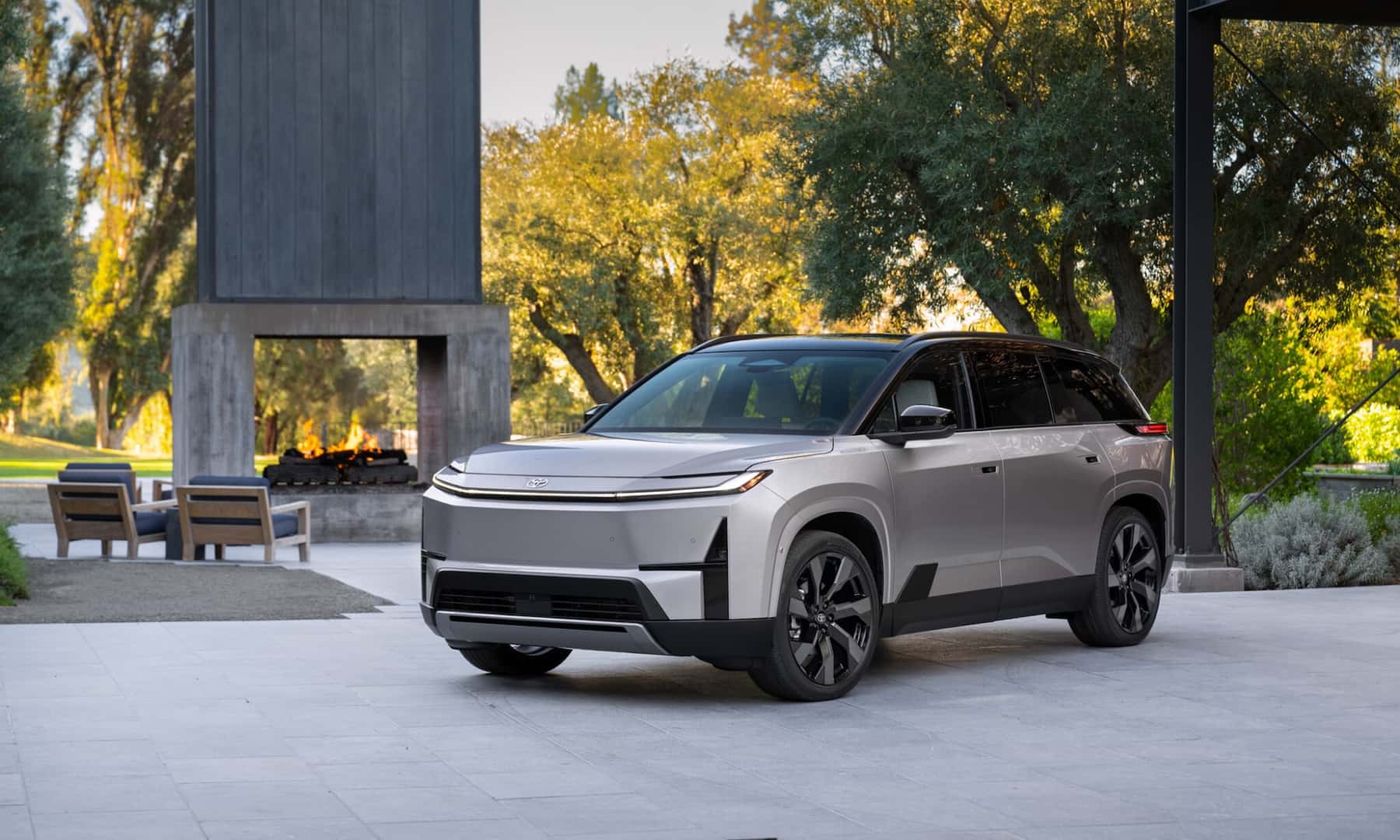
On paper, the Grand Highlander makes a solid case for itself compared to the Highlander, thanks to the significantly increased space. At the same time, the differences in operating costs are minor. Of course, you might prefer the Highlander’s sportier look and not need much from the rear seat, but if that’s the case, be aware that the 2027 Highlander is expected to be completely redesigned as an all-electric three-row SUV, arriving in fall 2026. It should be a great vehicle, but an EV may or may not be the right fit for you.
Visit Valley Hi Toyota and make your own Highlander/Grand Highlander comparison, or if an EV works for you, look for the Highlander EV in just a few months.
0 comment(s) so far on Highlander vs. Grand Highlander