

What Is Toyota’s Fifth-Generation Hybrid System?
What Is Toyota’s Fifth-Generation Hybrid System?
A plain-English look at the hybrid tech showing up in the new Camry and Prius.
If you’ve been looking at a new Camry or the 2027 Prius, you may have come across the term “fifth-generation hybrid system” and wondered what it actually means for you. It’s not just a marketing label. It’s a real update to how Toyota’s hybrids deliver power, and it changes how the car feels to drive, not just what it costs to fill up.
What Actually Changed
Toyota’s hybrid system has gone through several generations since the original Prius, and each one has mostly chased the same goal: better fuel economy. The fifth generation shifts the focus a bit. The electric motor-generators are lighter and more compact than before, which lets them produce more power from a smaller package. That extra power is used to smooth out acceleration, delivering it from the battery through the electric motor in a way that’s synced with the engine, so the engine doesn’t flare up in RPM before the car actually starts moving faster. It’s a small detail that makes a real difference in how natural the car feels to drive.
Which Models Have It
The fifth-generation system first appeared on the redesigned Camry, which became hybrid-only for 2025 across all of its trims. It’s now also under the hood of the 2027 Prius. Both pair it with an electronically controlled continuous variable transmission, or eCVT, which continuously adjusts the gear ratio for the throttle input instead of shifting through fixed gears.
EPA estimates vary by trim and configuration.
Why It Feels Different to Drive
Older hybrids sometimes had a moment under hard acceleration where the engine would rev up noticeably before the car actually sped up, a sensation often described as the engine “droning.” The fifth-generation system was specifically tuned to reduce that. By leaning more on battery power through the electric motor during that initial push, the engine doesn’t need to spike in RPM to deliver the same acceleration. The result is power that feels more connected to what your foot is actually doing, closer to how a conventional gas engine responds.
Common Questions
Is this the same as Hybrid Synergy Drive?
It’s the latest evolution of the same underlying approach Toyota has used for decades, but the fifth generation brings meaningfully updated hardware and tuning rather than just a new name.
Which Toyota models currently use the fifth-generation hybrid system?
The Camry (hybrid-only since 2025) and the 2027 Prius both use it. Toyota has not confirmed a full rollout schedule for other models.
Does it actually improve gas mileage?
Fuel economy is strong on both vehicles that use it, but the bigger change buyers tend to notice is how the power delivery feels, smoother and more immediate, rather than a dramatic jump in MPG over the prior generation.
What is an eCVT and how is it different from a regular CVT?
An eCVT uses electric motors to continuously manage the power split between the gas engine and the battery, finding the most efficient balance for the current throttle input rather than relying on a belt-driven mechanical pulley system like a traditional CVT.
Feel the Difference for Yourself
The best way to understand what’s changed is to drive it. Come test drive a Camry or Prius with the fifth-generation hybrid system at Valley Hi Toyota.
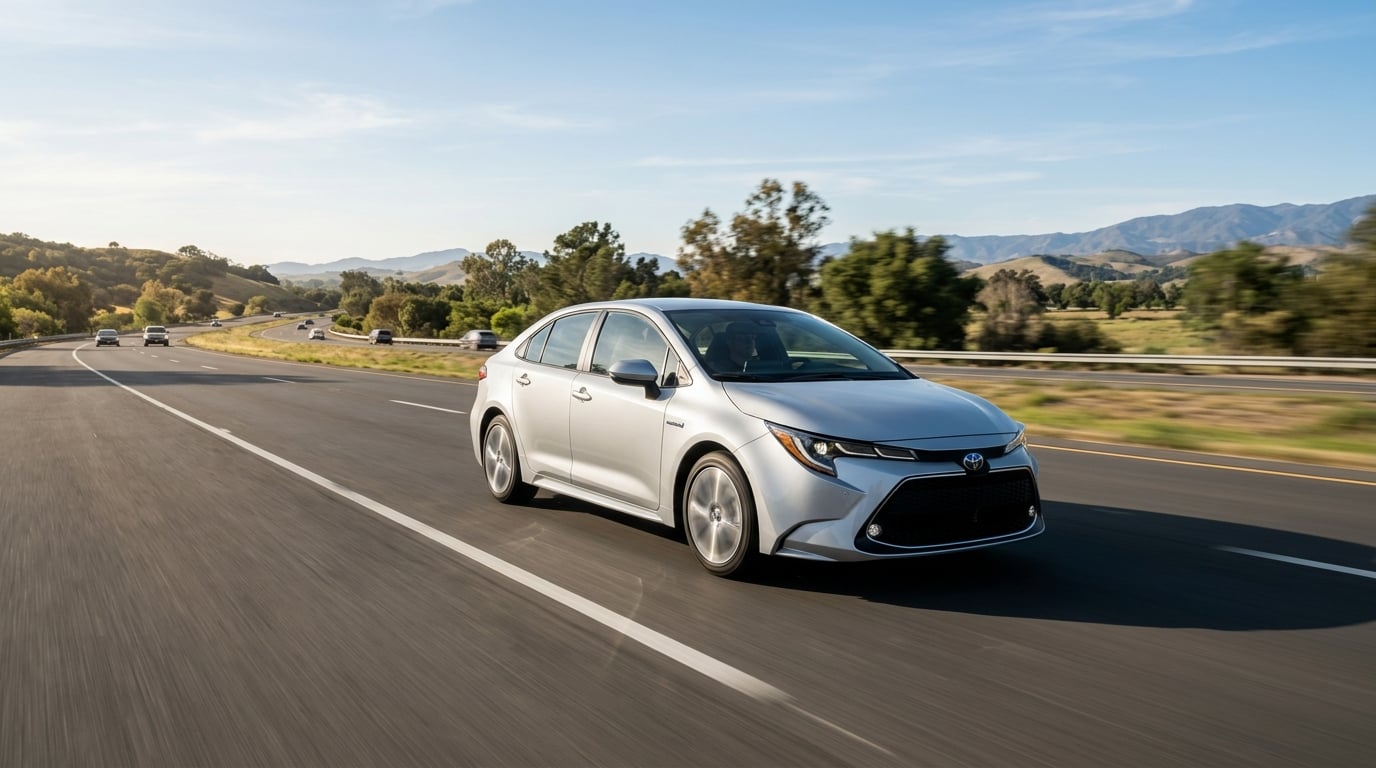
Specifications reflect manufacturer-published figures and may vary by trim or configuration. Hero image is a representative AI-generated rendering, not a photo of an actual stocked vehicle.
0 comment(s) so far on What Is Toyota’s Fifth-Generation Hybrid System?