

Toyota’s Boost in Hybrid Production Adds U.S. Jobs and Investment
When you sell over ten million cars a year, you tend to look at the big picture. And while Toyota produces a fine EV, its attention has clearly been on building and selling more hybrid models; this increase in hybrid production is leading to increased US investment and jobs. Valley Hi Toyota gives the details.
When it comes to reducing carbon emissions, Toyota has long argued that producing several million hybrids can be more effective than selling tens of thousands of EVs. Given the current limitations of electric charging infrastructure and battery technology, this point is compelling.
They support their stance by significantly increasing their hybrid production. The brand already offers several hybrid-only models, including the Sequoia, Sierra minivan, Crown sedan, Crown Signa crossover, and, of course, the Prius. Then, in 2025, Toyota made its former best-selling Camry model line 100% hybrid, and in 2026, its current best-selling model, the RAV4, will also be fully hybrid. Automotive reviewers have been arguing for years that the hybrids are the best versions of these models, so it’s not surprising that they subsequently decided to focus on the most recommended models. This comes at a time when consumers are not yet ready to fully commit to an EV, especially if they can’t charge at home or plan to use the vehicle for long trips, but are willing to take a partial step into a hybrid.
“Customers are embracing Toyota’s hybrid vehicles, and our US manufacturing teams are gearing up to meet that growing demand,” said Kevin Voelkel, Senior Vice President, Manufacturing Operations. “Toyota’s philosophy is to build where we sell, and by adding more American jobs and investing across our U.S. footprint, we continue to stay true to that philosophy.”
Toyota’s investment is allocated across several states. The most significant portion will go to its Buffalo, West Virginia, engine plant, where $453 million and 80 new jobs will be utilized to expand production of 4-cylinder hybrid-compatible engines, sixth-generation hybrid transaxles, and rear motor stators. Next, at Toyota’s largest plant in Georgetown, Kentucky, $204.4 million and 82 additional jobs will be dedicated to installing a new machining line for 4-cylinder hybrid-compatible engines.
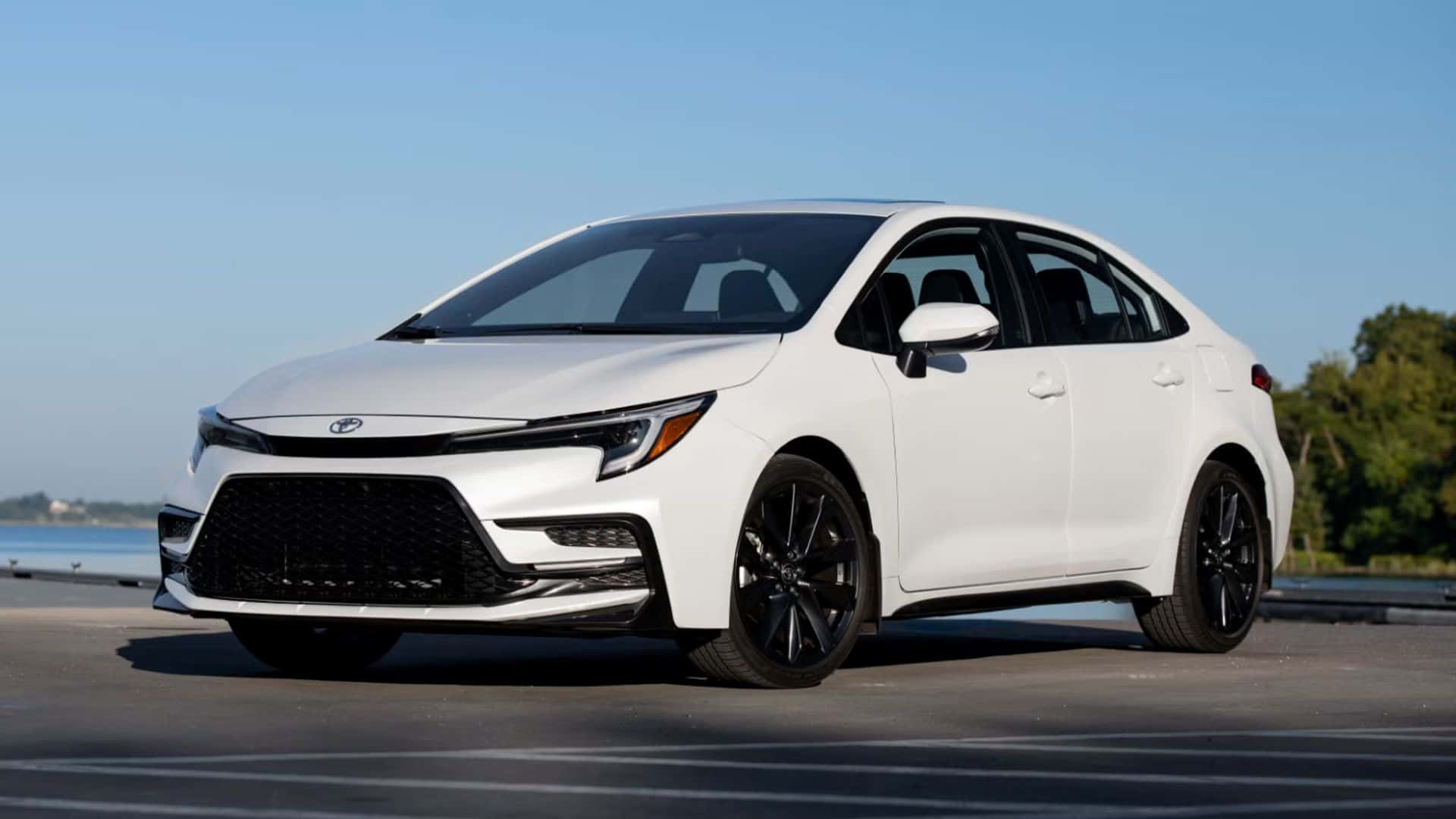
Toyota assembles Corollas in Blue Springs, Mississippi, and $125 million will be used to produce Corolla Hybrid models for the first time in the US. A casting plant in Jackson, Tennessee, will receive $71.4 million and create 33 additional jobs to produce transaxle cases, housings, and engine blocks for hybrid vehicles assembled elsewhere in the country. Similarly, another casting plant in Troy, Missouri, will add 57 jobs and invest $57.1 million to produce cylinder heads for hybrid engines.
Overall, Toyota plans to invest up to $10 billion over a five-year period in its manufacturing operations within the United States. Currently, Toyota manufactures approximately fifty percent of the vehicles it markets in the United States, with its North American manufacturing facilities contributing to the assembly of more than seventy-six percent (76%) of the vehicles sold in the United States.
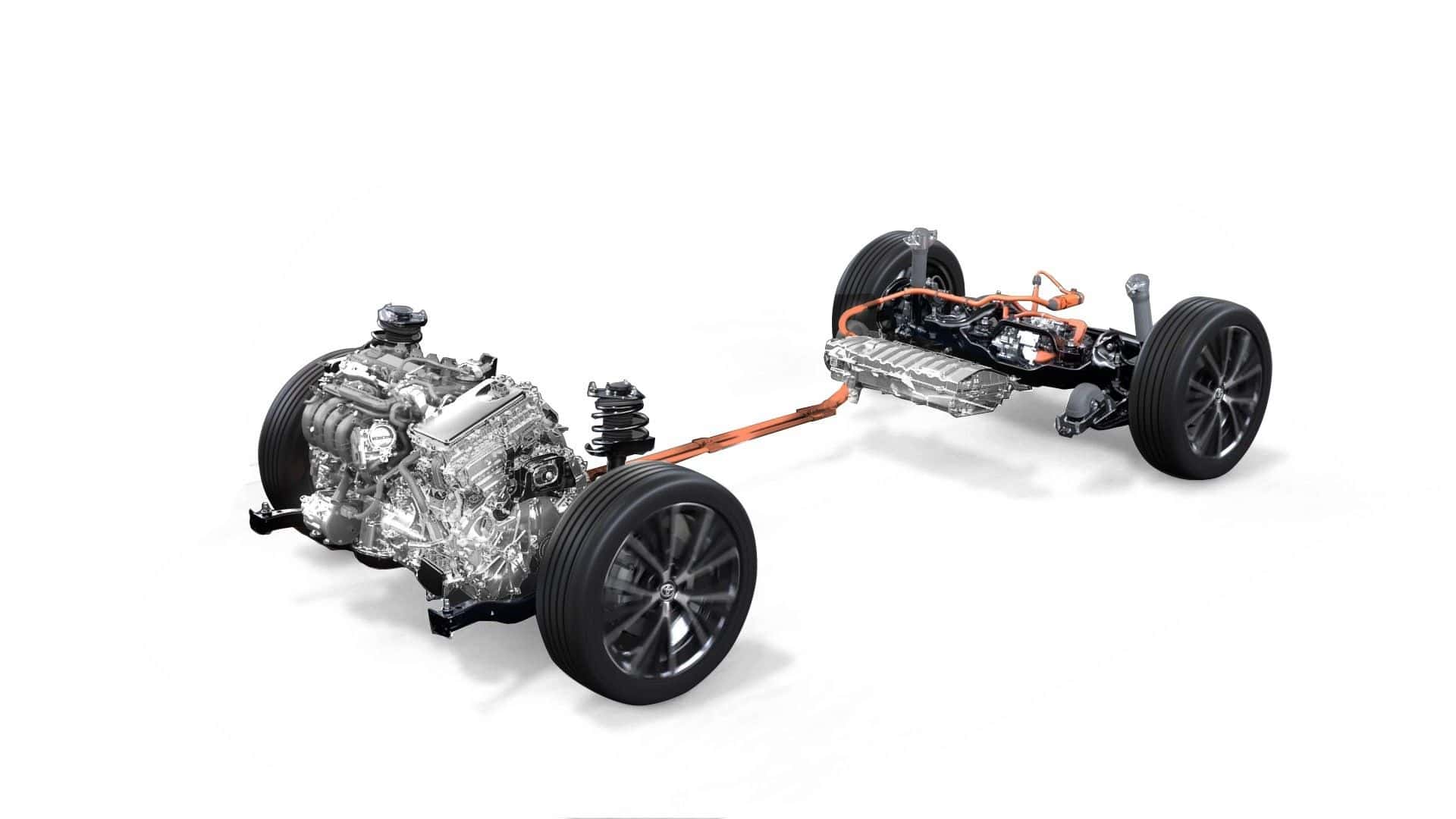
“We’re proud of our plant’s continued growth and honored to help lead Toyota’s transition into a mobility company,” said Alivia Luikart, Team Member, Toyota West Virginia. “Our future is bright, and it’s rewarding to know that our company has faith in our ability and trusts our team to drive Toyota forward.”
Toyota got its start in US vehicle building when it began assembling pickup trucks in Long Beach, CA. They have long said they believe in building vehicles where they sell them whenever possible. With that in mind, chances are even better that vehicles in Valley Hi Toyota’s new car inventory will have been built in the US with a high level of domestic content.
0 comment(s) so far on Toyota’s Boost in Hybrid Production Adds U.S. Jobs and Investment